Deadly Afghanistan floods kill at least 26 as aid agencies race to reach survivors
UN News Asia Pacific ·
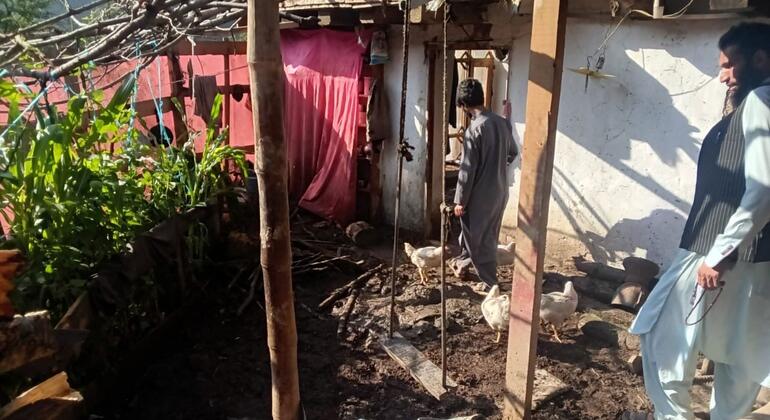
Why in news
Recent flash floods in eastern Afghanistan, particularly in Nuristan province, have resulted in significant loss of life and widespread destruction of infrastructure, prompting an urgent response from aid agencies.
Exam relevance
GS1, GS2 · Geography, Disaster Management, International Relations · Prelims · Mains
Key facts
- Flash floods have killed at least 26 people in eastern Afghanistan.
- Nuristan province was particularly affected, with 23 deaths reported.
- Homes, markets, and roads were destroyed in the affected areas.
- Search teams are actively looking for missing persons.
Prelims pointers
- Afghanistan has experienced deadly flash floods.
- Nuristan province is among the most affected regions.
- Infrastructure like homes, markets, and roads were damaged.
Mains practice question
Examine the vulnerability of mountainous regions to flash floods and discuss the challenges faced by developing nations in disaster preparedness and response, using the recent Afghanistan floods as a case study.
Static linkage
Afghanistan's mountainous terrain and climate patterns make it vulnerable to natural disasters like flash floods, especially during monsoon seasons or periods of heavy rainfall. Such events highlight the challenges of disaster preparedness and response in regions with limited infrastructure and resources.
Significance
The floods underscore the vulnerability of Afghanistan to natural disasters, which can exacerbate existing humanitarian crises. The destruction of infrastructure hampers relief efforts and economic recovery. International aid is crucial for immediate relief and long-term rebuilding, while also highlighting the need for improved disaster management strategies in the region.
Afghanistan · Floods · Natural Disasters · Humanitarian Crisis · Disaster Management · Nuristan
Deadly Afghanistan floods kill at least 26 as aid agencies race to reach survivors on project[UPSC]