Government Reaffirms Safety and Performance of E20 Petrol Based on Scientific Validation
PIB ·
Why in news
The government has reiterated the safety and performance of E20 petrol, citing scientific validation and a consultative process involving various stakeholders. This comes amidst ongoing efforts to promote ethanol blending in fuels.
Exam relevance
GS3 · Economy, Environment & Ecology, Science & Technology · Prelims · Mains
Key facts
- The Ethanol Blended Petrol (EBP) Programme has been implemented through a phased, scientifically validated, and consultative process.
- Stakeholders involved include NITI Aayog, automobile manufacturers, Oil Marketing Companies (OMCs), ARAI, SIAM, and IIP.
- Ethanol has been used globally as a fuel for over a century, with countries like Brazil using higher blends for decades.
- India's EBP Programme started with a pilot in 2001, E5 was introduced in 2006.
- Ethanol blending, which was around 1.53% in 2013-14, has been progressively increased.
- Higher ethanol blends were rolled out after extensive consultations with automobile manufacturers, component manufacturers, testing agencies, and OMCs.
- No widespread or substantiated complaints have been received from vehicle manufacturers, associations, or consumer organizations regarding E20 petrol's impact on fuel efficiency, engine performance, maintenance costs, or driving experience.
Prelims pointers
- The Ethanol Blended Petrol (EBP) Programme involves multiple stakeholders including NITI Aayog, OMCs, ARAI, and SIAM.
- E5 petrol was introduced in India in 2006.
- The EBP Programme commenced with a pilot in 2001.
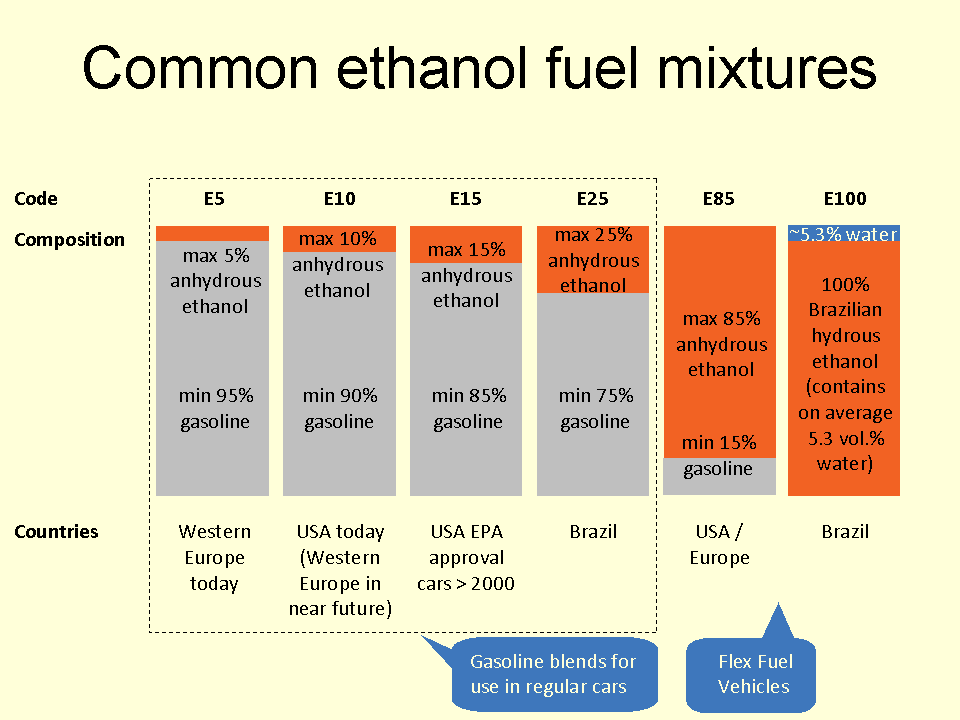
- E20 petrol refers to a blend of 20% ethanol with petrol.
Mains practice question
Discuss the significance of the Ethanol Blended Petrol (EBP) Programme in India, considering its environmental, economic, and strategic implications. What are the challenges and opportunities associated with the wider adoption of E20 fuel?
Static linkage
The E20 petrol initiative is linked to India's broader energy security goals, efforts to reduce carbon emissions, and the promotion of renewable energy sources, particularly agricultural produce like sugarcane for ethanol production. It also connects to the government's push for 'Make in India' in the automotive sector and the development of alternative fuels.
Significance
The government's reaffirmation of E20 petrol's safety and performance is significant for several reasons: it boosts confidence among consumers and industry stakeholders, supports the national objective of reducing crude oil imports and enhancing energy security, contributes to lowering greenhouse gas emissions by promoting a cleaner fuel, and encourages the domestic production of ethanol, potentially benefiting the agricultural sector. The consultative and phased approach highlights a policy-making process that considers technological readiness and industry consensus.
E20 Petrol · Ethanol Blending · EBP Programme · NITI Aayog · OMCs · ARAI · SIAM · Energy Security · Renewable Energy · Automotive Sector
Government Reaffirms Safety and Performance of E20 Petrol Based on Scientific Validation on project[UPSC]